


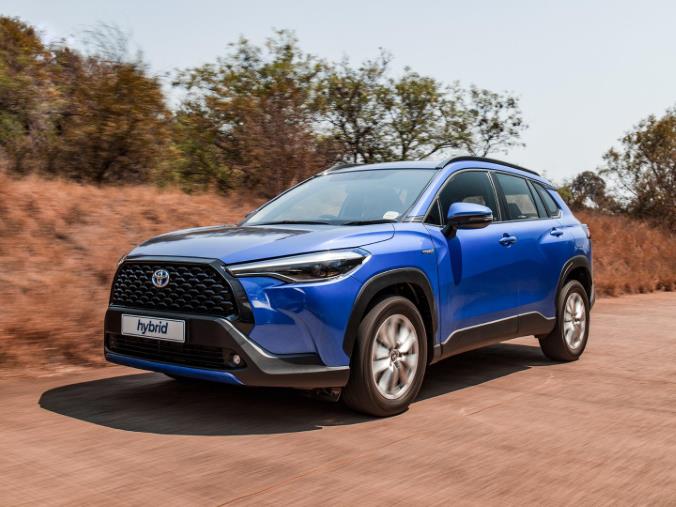
As South Africa begins its gradual transition toward more sustainable mobility, hybrid cars are emerging as a viable middle ground between traditional internal combustion engines (ICEs) and full-electric vehicles (EVs). With fuel prices fluctuating, urban congestion rising, and environmental consciousness increasing, hybrid vehicles offer a compelling proposition for the everyday South African driver. But how practical is it to own one in Mzansi today? Let’s take a closer look.
What Is a Hybrid Car?
A hybrid vehicle combines a petrol or diesel engine with an electric motor and battery. The electric motor assists the engine during acceleration and low-speed driving, improving fuel efficiency and reducing emissions. Some hybrids are self-charging (conventional hybrids), while others (plug-in hybrids or PHEVs) can be charged via an external power source for extended electric-only range.
The Practicalities of Owning a Hybrid in South Africa
Fuel Efficiency and Cost Savings
With petrol and diesel prices often spiking, hybrids offer relief at the pump. Drivers can expect 20–30% better fuel economy compared to traditional petrol cars, especially in urban settings with frequent stop-start traffic.
Urban-Friendly Performance
In city driving, hybrids shine. Regenerative braking and electric-only driving modes make them quiet, smooth, and efficient—perfect for Johannesburg, Cape Town, or Durban commutes.
Lower Emissions
Hybrids contribute to lower CO₂ emissions, a welcome bonus for environmentally conscious drivers and corporates looking to green their fleets.
The Challenges
Purchase Price
Hybrids generally come at a premium. Entry-level models are priced higher than equivalent petrol-powered cars, though this gap is narrowing with growing demand and local incentives.
Limited Charging Infrastructure (for PHEVs)
While conventional hybrids don’t need external charging, plug-in hybrids require access to a reliable power source for optimal performance. South Africa’s load shedding and limited charging networks can be problematic for PHEV owners.
Battery Concerns
Battery replacement remains a concern for some buyers, though warranties typically cover up to 8 years or 150,000 km, depending on the brand.
Low Second-Hand Market Penetration
Hybrids are still relatively new in South Africa, and the pre-owned market is limited. This can affect resale value and accessibility for budget-conscious buyers.
Leading Hybrid Brands in South Africa
Several car manufacturers are actively investing in hybrid models tailored for the South African market:
Toyota – The clear leader in the hybrid space, Toyota offers the Corolla Hybrid, RAV4 Hybrid, and Prius. Toyota’s hybrid tech is reliable, widely available, and supported across the country.
Lexus – Toyota’s luxury arm offers premium hybrids like the NX, RX, and ES Hybrid. These are popular among executives and eco-conscious professionals.
Haval – The H6 HEV and Jolion HEV have made strong impressions with stylish design and competitive pricing, particularly for young families.
BMW – Models like the 330e and X5 xDrive45e combine sporty performance with hybrid efficiency. BMW also offers plug-in hybrids with respectable electric-only ranges.
Volvo – The XC60 Recharge and XC90 Recharge plug-in hybrids are making inroads among luxury SUV lovers.
Mercedes-Benz and Audi also have PHEV offerings, though these are mostly in the premium bracket.
Price Range and Affordability
Brand/Model Type Starting Price
Toyota Corolla Hybrid Conventional R540,000 – R600,000
Haval Jolion HEV Conventional R470,000 – R520,000
Haval H6 HEV Conventional R610,000 – R650,000
Lexus NX 350h Conventional R950,000+
BMW 330e (PHEV) Plug-in Hybrid R1,100,000+
Volvo XC60 Recharge (PHEV) Plug-in Hybrid R1,300,000+
Affordability Tip: Entry-level hybrid crossovers like the Haval Jolion HEV and Toyota Corolla Hybrid offer excellent value for money, especially with their long-term fuel savings.
South Africa’s adoption of hybrids is expected to accelerate as:
- Government policy shifts toward cleaner mobility,
- Fuel prices remain volatile,
- And consumer awareness around sustainability grows.
Brands are also expanding their hybrid lineups, making this tech more accessible across vehicle segments from compact hatches to premium SUVs.
Hybrid cars in South Africa strike a practical balance between cost, sustainability, and convenience. While challenges like pricing and infrastructure remain, the tide is turning. For urban professionals, eco-minded families, or cost-conscious commuters, hybrids represent a smart, future-ready choice.
As South Africa drives toward a greener motoring future, hybrid cars might just be the vehicle of change.
